When facing a hip fracture or severe joint damage, patients are often confronted with complex medical terminology. One of the most common procedures discussed in clinical settings for femoral neck fractures is hemiarthroplasty. A frequent question that arises among patients and their families is: Is this procedure exclusively for the elderly?
In this article, we explore the nuances of partial hip replacement, who truly benefits from it, and why choosing the right expert—such as Dr. Rao, the best orthopedic surgeon in Yelahanka—is critical for a successful recovery.
What Is Hemiarthroplasty?
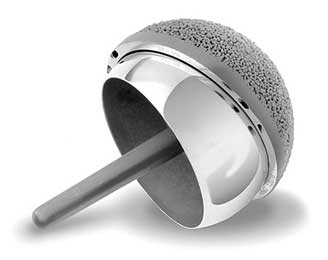
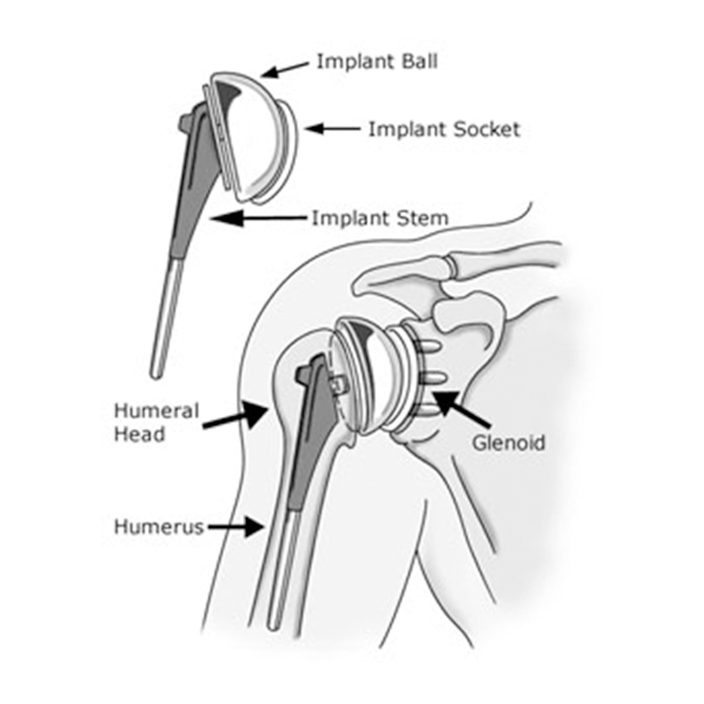
Hemiarthroplasty is a surgical procedure that involves replacing only the “ball” portion of the hip joint (the femoral head) with a prosthetic implant, while leaving the natural socket (acetabulum) intact.
Unlike a total hip replacement, where both the ball and the socket are replaced, this “partial” approach is often favored in specific trauma cases. Because it is a less invasive surgery with a shorter operating time, it has traditionally been the gold standard for elderly patients who have suffered a displaced femoral neck fracture.
Is It Only for Seniors?
The short answer is no; however, age is a significant factor in the clinical decision-making process.
Why It Is Typically Associated with Seniors
Historically, hip hemiarthroplasty has been the procedure of choice for geriatric patients. Several factors contribute to this:
- Reduced Surgical Time: Elderly patients often have comorbidities (other health issues) that make long surgeries risky.
- Faster Mobilization: The goal is to get patients back on their feet as quickly as possible to avoid complications like pneumonia or blood clots.
- Lower Risk of Dislocation: Compared to total hip replacements, hemiarthroplasty can sometimes offer increased stability in patients with lower physical activity levels.
The Use of Hemiarthroplasty in Younger Patients
While total hip arthroplasty is generally preferred for younger, more active individuals to ensure long-term durability, there are specific instances where a surgeon might consider hemiarthroplasty for a younger patient:
- Osteonecrosis: In cases of severe bone death in the femoral head where the surrounding cartilage is still relatively healthy.
- Tumor Resection: When surgery is required to manage a tumor in the proximal femur while attempting to preserve as much natural bone and joint structure as possible.
- Limb Salvage: In complex trauma scenarios where a total replacement might not be the most viable option for the specific bone quality present.
The Importance of Choosing an Expert
Whether you are a senior seeking relief from a fracture or a younger patient dealing with specialized joint issues, the success of your hip replacement surgery depends heavily on the expertise of your surgeon.
If you are located in or near Bangalore, it is essential to consult a specialist who understands both the standard protocols and the complex exceptions of joint reconstruction. Dr. Rao, widely recognized as the best orthopedic surgeon in Yelahanka, brings years of experience in performing advanced orthopedic surgeries.
Why Patients Trust Dr. Rao
- Patient-Centric Approach: Dr. Rao believes in tailoring treatment plans to the individual’s unique physical demands and health history.
- Advanced Surgical Techniques: Specializing in minimally invasive procedures, Dr. Rao ensures that patients experience reduced pain and a quicker return to their daily routines.
- Comprehensive Care: From the initial diagnosis of a hip fracture to post-operative physical therapy and long-term joint health, his clinic provides a holistic recovery path.
- Proven Track Record: With thousands of successful surgeries, including complex reconstruction and joint replacement, his expertise is unmatched in the Yelahanka region.
Frequently Asked Questions (FAQs)
1. Is hemiarthroplasty better than total hip replacement?
It depends on the patient. Total hip replacement usually offers better long-term function for active individuals, whereas hemiarthroplasty is often safer and more efficient for specific fracture types in elderly patients. A consultation with an expert like Dr. Rao can help you determine the right path.
2. How long is the recovery time?
Recovery varies, but most patients begin walking with assistance the day after surgery. A structured rehabilitation program is vital to regain full mobility.
3. What are the common symptoms of a hip fracture?
Severe pain in the hip or groin, inability to put weight on the affected leg, and visible shortening or rotation of the leg are common indicators. If you experience these, seek immediate fracture treatment in Yelahanka.
Conclusion
While hemiarthroplasty has long been categorised as a procedure for the elderly, its application is nuanced and depends on the specific nature of the joint damage and the patient’s long-term health goals. The most important step in your recovery is an accurate diagnosis and a personalised surgical plan.
If you are experiencing hip pain or have recently suffered an injury, don’t wait. Reach out to Dr. Rao at his Yelahanka clinic to receive world-class care and personalised guidance. Taking the right steps today will ensure better mobility and a higher quality of life tomorrow.