Total knee replacement is one of the most effective surgical procedures for relieving chronic knee pain and restoring mobility. However, many patients wonder what to expect after knee replacement surgery, including recovery timelines, pain management, and rehabilitation. In this guide, we will provide a comprehensive knee replacement recovery timeline and explain how to achieve the best results. If you are looking for total knee replacement in Yelahanka, Rao Ortho in Yelahanka is the best place to get expert care.
Understanding Total Knee Replacement Surgery
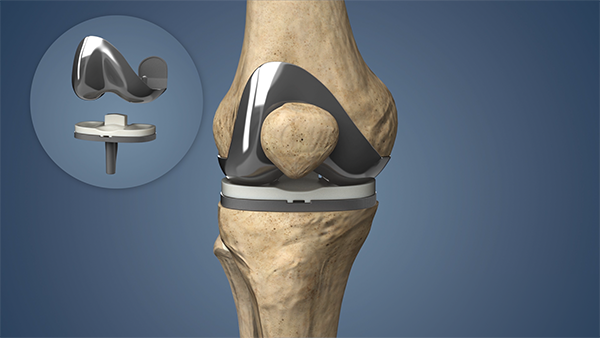
Total knee replacement (TKR) involves replacing the damaged joint surfaces of your knee with artificial implants. This surgery is recommended for patients suffering from severe osteoarthritis, rheumatoid arthritis, or traumatic knee injuries. The goal of TKR is to reduce pain, improve mobility, and enhance quality of life.
Patients often have concerns about recovery time after knee replacement, the type of post-operative care, and how soon they can return to daily activities. Knowing the knee replacement recovery timeline can help you prepare mentally and physically for a smooth recovery.
Immediate Recovery: Hospital Stay (Days 1–3)
The first few days after surgery are crucial for pain management and mobility.
- Pain and Swelling: Mild to moderate pain is normal. Doctors typically prescribe painkillers and recommend ice packs to reduce swelling.
- Mobility: With the help of physiotherapists, patients are encouraged to walk using a walker or crutches as soon as 24 hours post-surgery. Early movement helps prevent blood clots and promotes healing.
- Wound Care: The surgical site is monitored for any signs of infection. Dressings are usually changed daily, and patients are instructed on proper wound hygiene.
At Rao Ortho in Yelahanka, patients receive personalized care during this critical stage to ensure a smooth start to recovery.
First Two Weeks: Early Recovery at Home
After discharge, the focus shifts to regaining knee mobility and independence.
- Pain Management: Continue prescribed medications and use ice therapy to manage swelling.
- Physical Therapy: Gentle exercises, including ankle pumps, knee bends, and quadriceps strengthening, are recommended. Daily physiotherapy sessions may be guided by your surgeon or therapist.
- Daily Activities: Most patients can perform light activities such as sitting, standing, and short walks. Avoid high-impact activities and excessive bending.
- Diet and Hydration: A balanced diet rich in protein, calcium, and vitamins supports healing and bone health.
During this period, the knee may still feel stiff, but consistent exercise is key to regaining mobility.
Weeks 3–6: Regaining Strength and Flexibility
By the third week, most patients notice reduced swelling and improved movement.
- Physical Therapy Intensifies: Patients begin more advanced exercises to improve knee flexion, extension, and stability. These may include stationary cycling, seated leg raises, and gentle squats.
- Walking: Gradually, patients can walk longer distances without support, depending on their pain tolerance and strength.
- Daily Activities: Light household chores and driving (if advised by your surgeon) can resume.
It’s normal to experience occasional pain or stiffness, which usually decreases over time. Rao Ortho in Yelahanka ensures each patient has a tailored recovery plan for the best results.
Weeks 6–12: Returning to Normal Life
This phase focuses on enhancing mobility, balance, and strength.
- Exercise Routine: Patients continue strengthening and stretching exercises to regain full knee function.
- Pain and Swelling: Most patients experience minimal pain, though mild discomfort during activity is normal.
- Resuming Activities: Many patients can return to work, social activities, and low-impact sports like swimming or cycling.
Consistency in physiotherapy is essential to achieve optimal results. This is also the stage where patients start noticing significant improvements in walking, climbing stairs, and daily activities.
3–6 Months: Full Recovery and Long-Term Maintenance
By 3 to 6 months, most patients achieve near-normal knee function.
- Activity Level: Patients can participate in low-impact exercises and hobbies. High-impact sports should still be avoided.
- Strength and Mobility: Continuous exercise helps improve knee strength, flexibility, and endurance.
- Follow-Up: Regular check-ups ensure the knee implant is functioning properly and there are no complications.
Some patients may take up to a year to achieve complete recovery, but pain and swelling usually resolve within the first 3–6 months.
Tips for a Faster Knee Replacement Recovery
- Follow Your Surgeon’s Instructions: Adhere to medication, physiotherapy, and diet recommendations.
- Stay Active: Gentle exercises and walking help prevent stiffness and blood clots.
- Manage Pain and Swelling: Use ice packs, elevation, and prescribed painkillers.
- Healthy Diet: Include protein, calcium, and vitamin-rich foods to promote healing.
- Regular Follow-Ups: Monitor your knee’s progress and address any concerns promptly.
Why Choose Rao Ortho in Yelahanka for Total Knee Replacement?
If you are looking for the best total knee replacement in Yelahanka, Rao Ortho in Yelahanka offers:
- Expert orthopedic surgeons with extensive experience in knee replacement surgery
- Advanced technology, including minimally invasive and robotic-assisted TKR
- Personalized recovery plans tailored to each patient’s needs
- State-of-the-art physiotherapy and post-operative care for faster recovery and better outcomes
Choosing the right clinic and surgeon is crucial for a successful knee replacement and smooth recovery.
Conclusion
Understanding the knee replacement recovery timeline helps patients set realistic expectations and plan their rehabilitation effectively. From hospital stay to full recovery, each phase requires care, patience, and adherence to physiotherapy.
If you are considering total knee replacement in Yelahanka, Rao Ortho in Yelahanka is the best choice to ensure expert care, advanced technology, and a smooth recovery journey. Book your consultation today.