One of the most common questions patients ask after an orthopedic procedure is, “When can I drive again after tendon repair surgery?” It is a completely understandable concern. Being stuck at home without your usual independence can feel frustrating, and relying on friends, family, or rideshare apps quickly loses its charm.
However, getting back behind the wheel isn’t just about when you feel “ready.” Tendon repair surgery recovery requires a delicate balance between giving your body time to heal and regaining the physical control necessary to safely operate a motor vehicle.
Resuming driving too early can put stress on the surgical site, potentially causing a re-injury or tendon repair failure, not to mention the legal and safety risks to you and others on the road.
This comprehensive guide breaks down the typical driving after surgery timelines, essential safety benchmarks, and how the specific location of your surgery impacts your road to recovery.
The General Timeline: How Long Does Tendon Healing Take?
As a baseline rule, tendon healing takes 6 to 8 weeks for the tissue to gain initial structural strength. The tendon will continue to get progressively stronger up to the 3-month mark, and it can take up to 6 months to regain full range of motion.
Because of this physiological timeline, most orthopedic surgeons recommend waiting anywhere from 4 to 12 weeks before driving, depending heavily on which tendon was repaired.
| Surgical Location | Average Time Before Driving | Key Requirement |
| Rotator Cuff / Shoulder | 6 to 12 weeks | Off the sling, adequate steering control |
| Hand, Wrist, or Finger | 8 to 10 weeks | Full grip strength, splint removed |
| Achilles Tendon (Right Leg) | 9 to 12 weeks | Fully weight-bearing, out of the boot |
| Achilles Tendon (Left Leg) | 2 to 4 weeks | Automatic car only, pain free |
4 Essential Checkpoints Before You Get Behind the Wheel
Before even considering a test drive, you must meet four strict safety and medical criteria.
1. You Are Completely Off Narcotic Pain Medications
This is a non-negotiable legal and medical requirement. If you are taking prescription opioids to manage post-operative pain, your reaction times, judgment, and motor skills are significantly impaired. Driving under the influence of prescription narcotics is illegal and dangerous. You must be managing your discomfort using only over-the-counter anti-inflammatories before driving.
2. You Are Free of Immobilisation Devices (Casts, Boots, Slings)
You cannot safely drive a car if your arm is in a sling or your foot is locked in a rigid boot. Braces and casts severely limit your brake reaction time and steering precision. If a sudden emergency maneuver is required, an immobilization device can prevent you from reacting quickly enough to avoid a collision.
3. You Have Restored Adequate Strength and Range of Motion
Driving requires significant physical effort during unexpected situations.
- For upper extremity surgery (shoulder, elbow, hand), you must have enough grip strength and rotational movement to turn the steering wheel sharply.
- For lower extremity surgery (hip, knee, ankle), you need enough muscle power to stomp down hard on the brake pedal during an emergency stop.
4. You Have Your Surgeon’s Explicit Clearance
While the ultimate legal liability of operating a vehicle rests with the driver, you should never drive without medical clearance from your doctor. Your surgeon will use physical exams and potentially imaging to ensure the tendon has knit back together securely enough to handle the strain of driving.
How Surgery Location Adjusts Your Driving Timeline
The specific body part operated on plays the largest role in determining your precise return to driving schedule.
Driving After Upper Extremity Tendon Repair
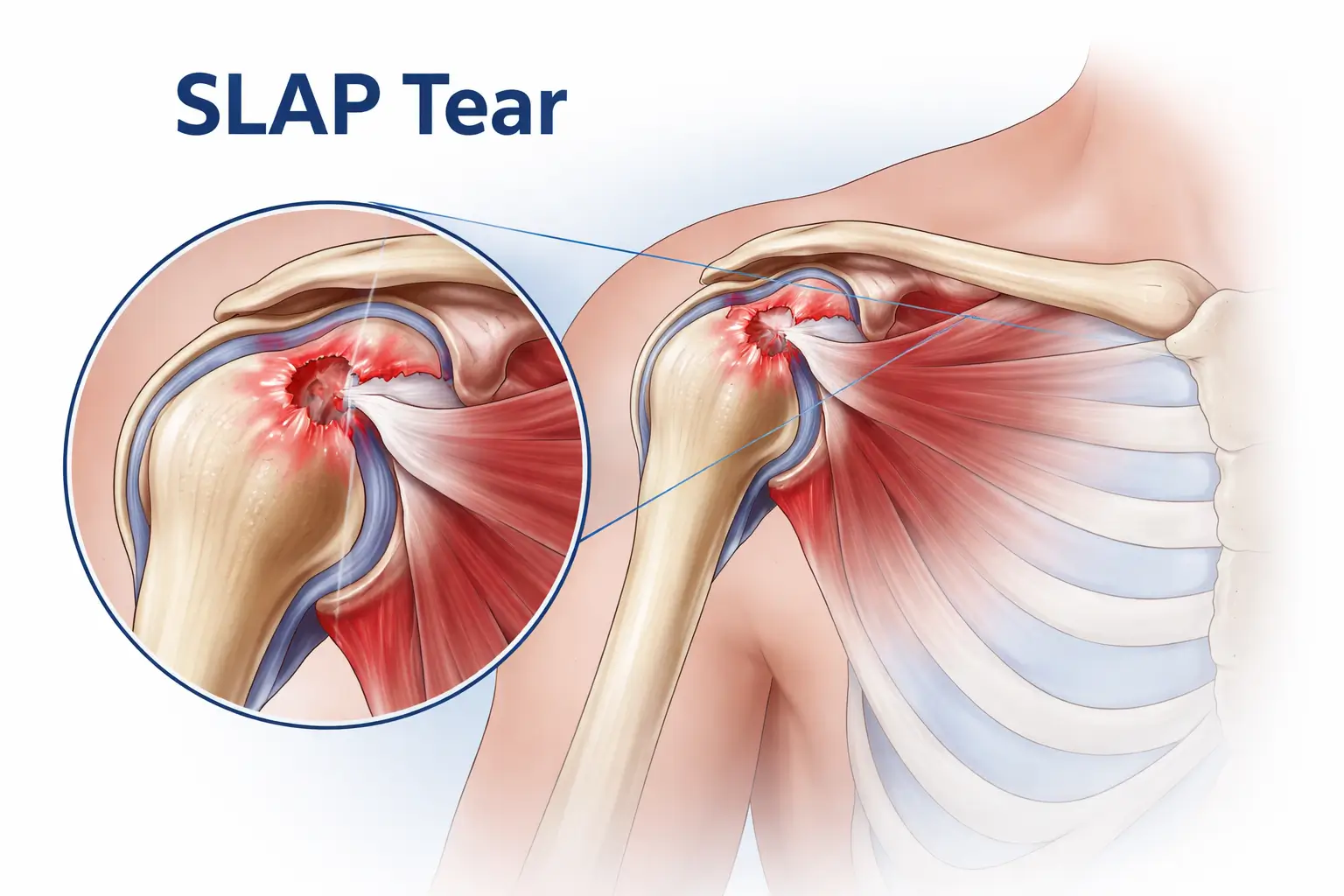
If you underwent arthroscopic rotator cuff repair or a bicep tendon fix, you will likely spend the first 4 to 6 weeks in a strict shoulder sling. Attempting to steer with only one hand can compromise your safety. Driving simulator studies indicate that patients who have undergone upper extremity tendon repairs usually regain their baseline driving competency around 12 weeks post-surgery.
For minor hand soft tissue surgery or a single finger flexor tendon repair, you might feel capable sooner. However, if the procedure was on your dominant hand, daily tasks like turning an ignition key, shifting gears, or firmly holding the steering wheel will be challenging. Expect a window of 8 to 10 weeks for complex hand tendon procedures.
Driving After Lower Extremity Tendon Repair
When it comes to the lower body, your timeline depends entirely on whether the surgery was on your driving leg (the right leg in most countries) or your non-driving leg.
          ┌─────────────────────────────────────────────────────────┐
          │      Lower Extremity Tendon Repair (e.g., Achilles)     │
          └────────────────────────────┬────────────────────────────┘
                                       │
                    ┌──────────────────┴──────────────────┐
                    ▼                                     ▼
             [ Right Leg ]                          [ Left Leg ]
                    │                                     │
                    ▼                                     ▼
         • Must be out of boot                 • Automatic vehicle only
         • Full weight-bearing                 • Right leg unaffected
         • Brake reaction time restored        • Pain fully managed
                    │                                     │
                    ▼                                     ▼
           Timeline: 9-12 Weeks                  Timeline: 2-4 Weeks
If you had an Achilles tendon repair or patellar tendon surgery on your right leg, your brake reaction time will be severely delayed. Clinical data shows it takes an average of 9 weeks for total braking time to return to a safe baseline after right ankle and lower limb procedures. Do not rush this process; at highway speeds, even a half-second delay in moving your foot from the gas to the brake adds an extra 45 feet of travel.
If the surgery was on your left leg and you drive an automatic transmission car, you may be able to return to the road much sooner—often within 2 to 4 weeks—provided your pain is well-managed and you can comfortably sit in the driver’s seat without protecting the leg.
Practical Tips for Your First Drive Post-Surgery
Once you have received the green light from your physical therapist and surgeon, treat your first few outings as a gradual reintroduction rather than a return to normal routine.
- Take a Test Sit: With the engine completely turned off, sit in your parked vehicle. Practice depressing the pedals firmly or rotating the steering wheel back and forth. If you feel any sharp pain or sudden weakness, you are not ready.
- Start with Short Distances: Keep your first few trips limited to low-traffic neighborhoods or empty parking lots during daylight hours. Avoid highways or heavy rush-hour traffic.
- Evaluate Manual vs. Automatic Cars: If you drive a stick shift, the constant clutching and shifting add extra layers of strain. If possible, borrow an automatic vehicle for your first few weeks back on the road.
- Listen to Your Body: If you experience throbbing pain, increased swelling, or muscle fatigue during a drive, pull over safely. Pushing through the pain can cause inflammation around the healing tissue.
The Bottom Line on Driving Post-Surgery
While the lack of independence during tendon repair surgery recovery is a major hardship, protecting your surgical investment is the top priority. Resuming driving early can tear the delicate, healing fibers of a repaired tendon, forcing you back into the operating room and resetting your recovery clock to zero.
Always prioritize your safety, follow your customized physical therapy protocol, and wait for your surgeon’s official clearance before turning the key.